





In recent years, the notion of sustainability has emerged as a defining theme across industries, and the art world is no exception. Yet within the context of art markets, sustainability extends far beyond environmental consciousness. It refers to a balanced ecosystem in which artists, galleries, collectors, and institutions develop gradually, ethically, and resiliently over time. Sustainable growth in art is therefore not merely about rising prices or rapid market expansion; it concerns the long-term cultural, economic, and ecological viability of the art ecosystem itself.
For art advisory firms, consultancies, and galleries, the concept of sustainability has become particularly significant. It reshapes how artworks are produced, how artists’ careers are nurtured, and how markets evolve.
Moving Beyond Speculation: Stability Over Speed
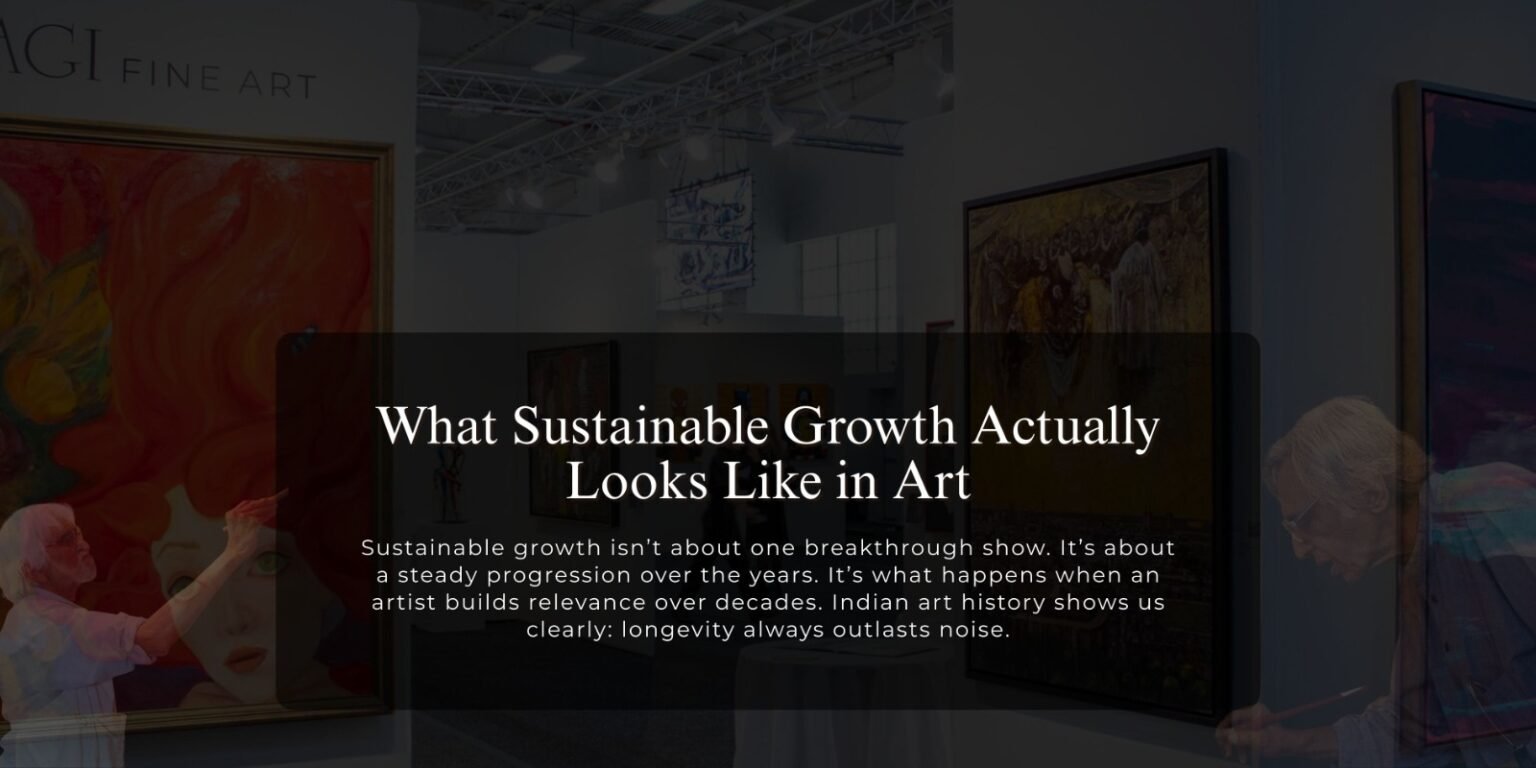
One of the most visible markers of sustainable growth is the avoidance of speculative market bubbles. In many art markets, sudden spikes in an artist’s prices often generate excitement but rarely result in lasting value. When galleries price works too aggressively in pursuit of short-term demand, they risk destabilising an artist’s market trajectory.
Scholars of the art market have argued that sustainable pricing must evolve in tandem with an artist’s career development, exhibition history, and institutional recognition. When prices rise gradually and in accordance with artistic production and demand, they create a stable collector base rather than a speculative one.
From an advisory standpoint, this principle is critical. Sustainable growth requires careful market stewardship, ensuring that artists’ markets develop through measured progression rather than abrupt escalation.
The Artist’s Career as a Long-Term Ecosystem
Sustainability also concerns the longevity of artistic careers. A sustainable art ecosystem enables artists to maintain creative independence while earning fair compensation for their work.
Historically, the art world has often been precarious for practitioners, with inconsistent income streams and limited institutional support. Contemporary discussions of sustainability therefore emphasise fair labour practices, equitable compensation, and ethical representation within galleries and institutions.
For art consultancies and representation agencies, this implies a responsibility to cultivate artists’ careers strategically, facilitating museum placements, critical writing, and meaningful exhibitions that support long-term recognition rather than temporary market attention.

Environmental Responsibility in Artistic Production
Another dimension of sustainable growth relates to the environmental footprint of the art industry. Art production, shipping, art fairs, and exhibition infrastructures collectively contribute to significant carbon emissions.
In response, many organisations within the global art sector have begun implementing sustainability frameworks that encourage environmentally responsible practices. The Gallery Climate Coalition, for example, was established to help galleries, museums, and art fairs reduce their carbon footprints and align with international climate targets.
Similarly, institutions increasingly adopt renewable energy, energy-efficient lighting, and sustainable materials within museum operations and exhibition design. Data indicates that a majority of art institutions have introduced eco-friendly policies in recent years, reflecting a growing institutional commitment to environmental stewardship.
For galleries and art advisors, sustainability may involve practical changes such as reducing air freight, adopting recyclable packaging, or supporting artists who work with environmentally responsible materials.
Ethical Materials and Artistic Innovation
The shift toward sustainability has also influenced artistic practice itself. Artists are increasingly experimenting with recycled materials, biodegradable substances, and non-toxic pigments, expanding the aesthetic and conceptual possibilities of their work.
These innovations are not merely technical adjustments; they represent a broader philosophical shift. Sustainable artistic production reframes art as a cultural medium capable of responding to ecological crises and social challenges.
Indeed, contemporary artworks addressing themes such as climate change, environmental degradation, and ecological resilience have gained considerable traction among collectors and institutions. Market analyses show a rising demand for environmentally conscious artworks and sustainable artistic practices.
In this sense, sustainability stimulates creative experimentation while simultaneously expanding the thematic relevance of art.
Responsible Market Infrastructure
Sustainable growth also depends on the structures that support the art market itself, galleries, fairs, auctions, and digital platforms. A resilient art ecosystem encourages collaboration rather than hyper-competition among stakeholders.
Many art fairs and institutions have begun incorporating sustainability criteria into their operational frameworks, encouraging exhibitors to adopt environmentally responsible logistics and energy practices.
Moreover, the increasing integration of ESG principles (Environmental, Social, and Governance) into art acquisitions indicates that collectors and institutions are evaluating artworks not only by aesthetic merit but also by ethical considerations.
For art consultancies, this evolving landscape suggests that advisory services must address both cultural and ethical dimensions of collecting.
Building Communities Around Art
Perhaps the most understated aspect of sustainable growth lies in community engagement. Sustainable art ecosystems thrive when artists, collectors, scholars, and audiences participate in ongoing dialogue.
Exhibitions, residencies, and research platforms increasingly emphasise collaboration across disciplines, bringing together artists, curators, writers, and scientists to address complex social issues. These initiatives reinforce the cultural relevance of art while fostering long-term intellectual engagement.
Such collaborative frameworks strengthen the resilience of the art ecosystem, ensuring that artistic production remains connected to broader cultural and societal concerns.
The Advisory Perspective: Stewardship Over Speculation
From the perspective of art advisory and consultancy, sustainable growth demands a shift from transactional thinking to long-term stewardship. Rather than focusing solely on short-term financial appreciation, advisors must evaluate artistic merit, institutional trajectories, and cultural significance.
This approach benefits both collectors and artists. Collectors gain confidence in the stability of their acquisitions, while artists receive support that prioritises career longevity and intellectual recognition.
Ultimately, sustainable growth in art is best understood not as a singular metric but as a multi-dimensional framework, one that integrates economic stability, environmental responsibility, ethical representation, and cultural relevance.
Sustainable growth in art represents a profound transformation in how the art world understands value. It calls for markets that evolve responsibly, artistic practices that respect ecological realities, and institutions that nurture creativity over the long term.
For galleries, advisors, and collectors alike, the challenge lies in cultivating a market that balances aesthetic innovation with ethical responsibility. If achieved, such a model ensures that the art ecosystem remains not only economically viable but also culturally meaningful for generations to come.