








The ways in which an artwork is presented, whether through physical picture framing, contextual positioning in an exhibition, or broader curatorial framing, profoundly influence how viewers perceive, interpret, and value that work. This influence is neither incidental nor merely aesthetic; rather, it arises from an interplay of psychological cues, cultural associations, historical context, and visual structure. For practitioners across the art world, artists, curators, advisors, and collectors, understanding framing is essential to both meaning-making and reception.
1. Framing as Visual Presentation
In the most literal sense, framing refers to the material border or device surrounding an artwork. Traditional picture frames delineate the boundary between the artistic object and its environment, directing the viewer’s attention inward. Frames not only protect a work but also function as a signaling device that guides interpretation. A richly ornamented, gilded frame may evoke tradition, heritage, and value, while minimalist metal or wooden frames suggest modernity and neutrality. These visual cues shape perception long before the viewer engages with the artwork’s content.
For instance, a serene landscape placed within a carved wooden frame may evoke historic or romantic associations, whereas the same landscape in a thin black metal frame would read as contemporary and cool. The materiality, colour, texture, and scale of a frame all play roles in these psychological and aesthetic effects, often instilling emotional responses such as nostalgia or detachment.
2. Framing and Viewer Focus
Framing helps control where and how viewers look. By demarcating the artwork from its surroundings, a frame can eliminate distractions and concentrate visual attention. In museum and gallery contexts, frames can be a deliberate curatorial choice to either emphasise or neutralise contextual influence. Well-chosen frames draw the eye to salient details, colour, texture, brushwork, thus enhancing cognitive engagement with the work itself. Conversely, poorly suited frames can distract, diminish perceived significance, or distort interpretive cues.
In the realm of photographic arts and in visual composition more broadly, framing also encompasses the placement of visual elements within the field of view. As a compositional strategy, it impacts how viewers emotionally and cognitively relate to the subject. Tight framing, for example, may create intimacy or confrontation, while expansive framing can invoke contemplation or awe. These compositional choices shape not only aesthetic impression but interpretive meaning.
3. Historical and Cultural Associations

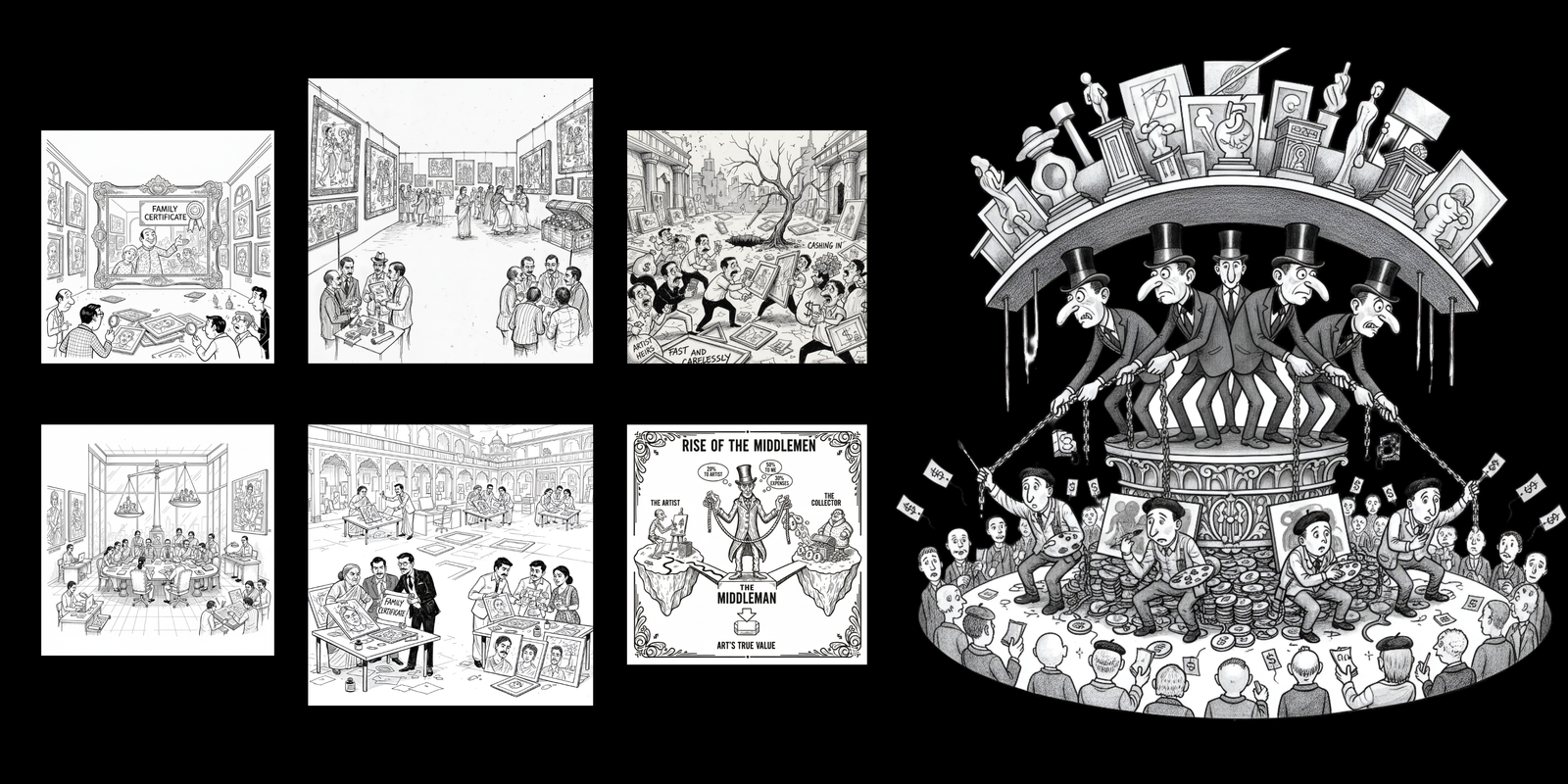

Frames carry cultural and historical references that influence interpretation. Ornate frames often evoke specific aesthetic traditions, Baroque, Renaissance, or Victorian, suggesting continuity with a particular historical lineage. When contemporary work is presented in historically laden frames, the viewer may experience a layered temporal context, prompting reflection on how past and present interact. On the other hand, minimalist framing strategies may foreground temporality and contemporaneity, positioning the work within modern visual discourse.
Such choices matter not only aesthetically but meaningfully. A frame that reads as historical can extend or complicate a work’s perceived lineage, inviting viewers to situate it within an art-historical narrative. This extension can enhance perceived depth and resonance.
4. Psychological and Emotional Impact
Beyond cognitive interpretation, frames evoke emotional reactions. Warm wood tones may elicit comfort and intimacy; cool metallic frames can evoke detachment or intellectual refinement. Colour and texture do not merely complement the artwork; they co-construct the affective frame through which the work is felt as well as seen. When these elements harmonise with the artwork’s palette or mood, they can deepen viewer engagement; when they contrast sharply, they can elicit tension or surprise.
The psychological impact of framing is particularly amplified when viewers are unaware of its influence. Frames operate, often subconsciously, as interpretive cues that condition emotional responses and value judgements. Thus, framing cannot be dismissed as peripheral; it participates actively in shaping the viewer’s phenomenological encounter with the work.
5. Framing and Value Perception
The influence of framing extends into arenas of value and legitimacy. Curators, collectors, and auction houses recognise that presentation, and specifically framing, can affect how a work is appraised both intellectually and economically. Historically appropriate frames or artist-designed framing can enhance market appeal and perceived authenticity. Auction houses note that works framed in period-appropriate styles may command premium valuations, as the frame reinforces provenance and historic integrity. Conversely, a mismatched frame might detract from both perceived importance and monetary value.
In gallery contexts, framing is part of a broader presentation strategy that positions art within particular discourses. A curated frame can signify seriousness, trend affiliation, or aesthetic direction, influencing not only how a work is read but where it sits within broader market and scholarly conversations.
6. Curatorial and Institutional Framing
Beyond physical borders, framing also encompasses the institutional context in which art is seen. The way exhibitions are organised, chronologically, thematically, or conceptually, acts as a curatorial frame that directs meaning. A specific grouping of works, wall labels, lighting, and spatial configuration all constitute a frame that conditions interpretation and ideation. Viewers interpret artworks not in isolation but through the narrative scaffolding provided by curators.
This institutional framing can challenge, reinforce, or complicate established readings of works, often creating dialogues between disparate pieces that generate new meanings. Such frameworks underscore that framing is as much about context as about literal boundaries.
7. Framing and Contemporary Practices
Contemporary artists have increasingly interrogated framing itself as an artistic strategy. By subverting traditional borders, engaging multimedia installations, or using frames as active components of the work, artists reveal that framing is not neutral. It is a medium through which meanings, power dynamics, and cultural assumptions are both revealed and challenged. This reflexive approach highlights the role of framing not as passive container but as active agent in interpretation.
Framing as Interpretive Force
Framing, whether material or conceptual, constitutes a critical nexus between artwork and audience. It shapes how viewers see, feel, and understand art; it situates works within cultural and historical binaries; and it conditions both emotional resonance and intellectual interpretation. For art advisors, curators, and collectors, mindful framing is not a minor technicality but a strategic act that modulates perception and meaning. Recognising its power underscores that art is not perceived in a vacuum, but always through contexts, visual, cultural, temporal, and psychological, that shape its reception.