





Murals and installations shaping civic conversations in Indian cities
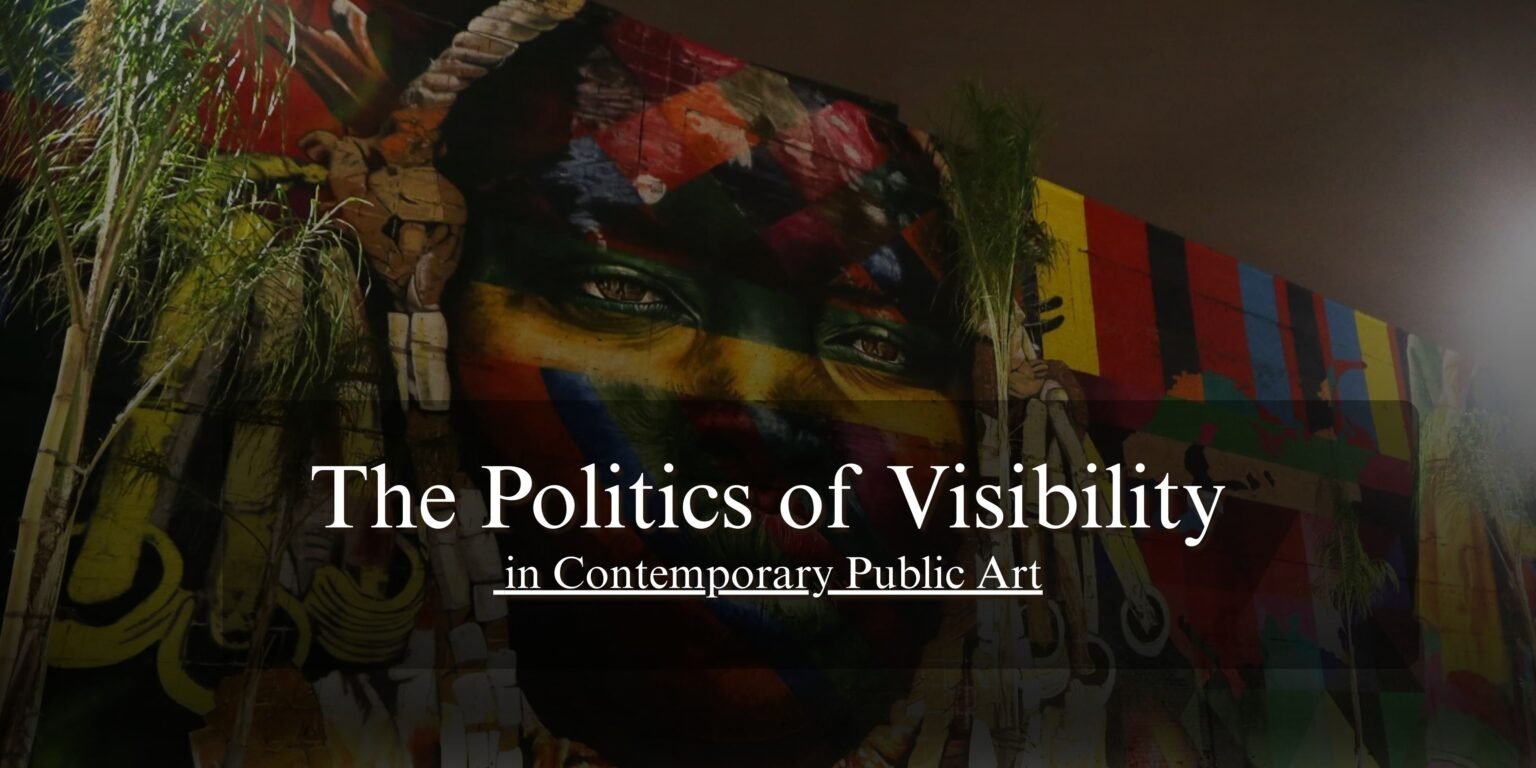
In cities and towns across the world, a quiet revolution is underway – one that is painting, sculpting, and installing new meanings onto the very surfaces of public life. What was once relegated to galleries and private collections has now migrated into streets, plazas, housing estates, and civic thoroughfares. Murals, site-specific installations, and community art projects no longer function solely as aesthetic embellishments; they have become sites of civic discourse, activating public space as a forum for shared ideas, collective memory, and democratic engagement.
Public Art and Civic Engagement: From Decoration to Dialogue
Public art, defined broadly as creative works situated in shared spaces, invites passersby to encounter culture outside the confines of museums or private institutions. Its significance extends far beyond ornamentation. When thoughtfully conceived and collaboratively enacted, public art can illuminate civic themes, provoke critical reflection, and actively involve residents in conversations about their community and environment. As scholars of urban art practice have observed, participatory art projects, especially those involving artists, locals, and organizations, can catalyze community empowerment, enhance residents’ sense of ownership over shared spaces, and encourage sustained civic engagement.
Unlike works commissioned and executed behind studio doors, murals and installations enacted in public invite overlapping dialogues between creator and observer. They draw attention not only to aesthetic form but to the social conditions that shape everyday urban life. In the process, these works act as anchors of public life, reflecting community values while inviting participation, interpretation, and ongoing exchange.
India’s Public Art Scene: Walls That Speak
India, with its burgeoning street art culture, offers telling examples of how urban surfaces are now being reimagined as carriers of meaning and platforms of engagement. In New Delhi, the Lodhi Art District stands as the country’s first open-air public art precinct, inaugurated between 2015 and 2016 through the collaboration of civic bodies and art foundations. Here, expansive murals by Indian and international artists transform residential and administrative walls into visual narratives that punctuate mid-city life and draw residents into an evolving dialogue around urban identity.
Elsewhere, the Street Art Biennale India 2025, a growing urban art festival spanning 20 cities, demonstrates how public art can be harnessed not only to beautify cityscapes but also to give communities a voice. Across metropolitan and smaller towns alike, murals, intricate stencils, and bold graffiti articulate local cultural specificity, reflect pressing social issues, and encourage encounter between diverse publics and artistic expression.
Art as Cultural Memory and Social Narrative
Murals and installations in public spaces frequently draw from local histories, cultural symbols, and shared memories, thereby serving as visual archives of communal identity. In Varanasi, a new mural at Kabir Math, depicting the life and teachings of the medieval mystic poet Kabir, illustrates how public art can function as a living repository of heritage, bridging past and present. Crafted with support from the city’s development authority and local art practitioners, the mural has not only drawn visitors but also fostered broader engagement with cultural history embedded within the urban fabric. Similarly, grassroots initiatives such as the Aravani Art Project in Bangalore harness mural art to foreground narratives of lived experience that have long been marginalized. Founded in 2016 and led by women, transgender, and cisgender artists, this collective uses public walls to create safe spaces and affirm identity, often traveling across cities to bring their stories into civic view. Through these interventions, street art becomes a tool for visibility, advocacy, and the articulation of complex social realities.
Global Perspectives: Beyond Borders
The impulse to engage communities through public art is not confined to India. Internationally, events such as the ‘Wide Open Walls’ mural festival in Sacramento, California, illustrate how cities can adopt similar strategies to invigorate civic life. By inviting both local and international artists to contribute monumental works across neighborhoods, such festivals cultivate artistic connection while encouraging collective pride and conversation around shared social issues. Likewise, Lagos, Nigeria’s first Street Art Festival, titled ‘Legendary Lagos: City of Dreams’, integrates public murals to democratize art and address themes of unity, migration, and aspiration within urban experience.
Across geographies, these examples demonstrate how public art can function as a civic lingua franca, a set of visual languages that engage broad publics in reflection, critique, and collective imagination. They remind us that art in public spaces is not merely about beautification but about making visible the values, struggles, and aspirations of communities whose voices might otherwise go unheard.

The Mechanics of Engagement: Participation and Ownership
Central to the democratic potential of public art is the notion of participation. Projects that engage residents through collaborative design, execution, and interpretation foster a sense of belonging that extends beyond aesthetic appreciation. Participatory mural projects, especially those involving schools, local organizations, and residents, have been shown to amplify community agency and solidarity, building social capital while strengthening ties between individuals and their environment.
Moreover, public art’s capacity to foreground diverse identities can challenge dominant narratives and create more inclusive public discourse. By elevating stories of underrepresented groups through visual expression, murals and installations can catalyze social reflection on equity, heritage, and cultural pluralism.
Civic Dialogue in Everyday Life
As cities evolve under the pressures of globalization, rapid urbanization, and socio-political transformation, public art remains a resilient medium through which people can negotiate meaning together. Whether commissioned by municipal authorities or self-organized by community collectives, these interventions reveal the potential of art to animate civic space and foster dialogues that transcend the private realm.
In this respect, public art is more than a spectacle; it is a public pedagogy, a mode of collective learning that invites citizens to contemplate who they are, where they live, and how they relate to one another. When murals depict shared histories, community struggles, or visions of the future, they become tools of empowerment, communication, and civic vitality.
Voices in the Open
Murals, installations, and community art projects are reshaping how we understand the civic dimension of art. Far from being superficial ornamentation, they embed culture directly into the rhythms of everyday life, inviting engagement, reflection, and discourse across social divides. In their capacity to articulate collective concerns, amplify marginalized voices, and transform the visual language of cities, public artworks are both mirrors and makers of civic conversation.
In a moment when public trust in institutions and communal bonds is under stress, such creative interventions remind us that public space, and the art that inhabits it, can be a site of dialogue, reflection, and shared humanity.